
Local Government Reform: What Comes Next?
This opinion piece by the Mayor was originally published in Feilding First on 3 July 2026 and is reproduced here for reference.
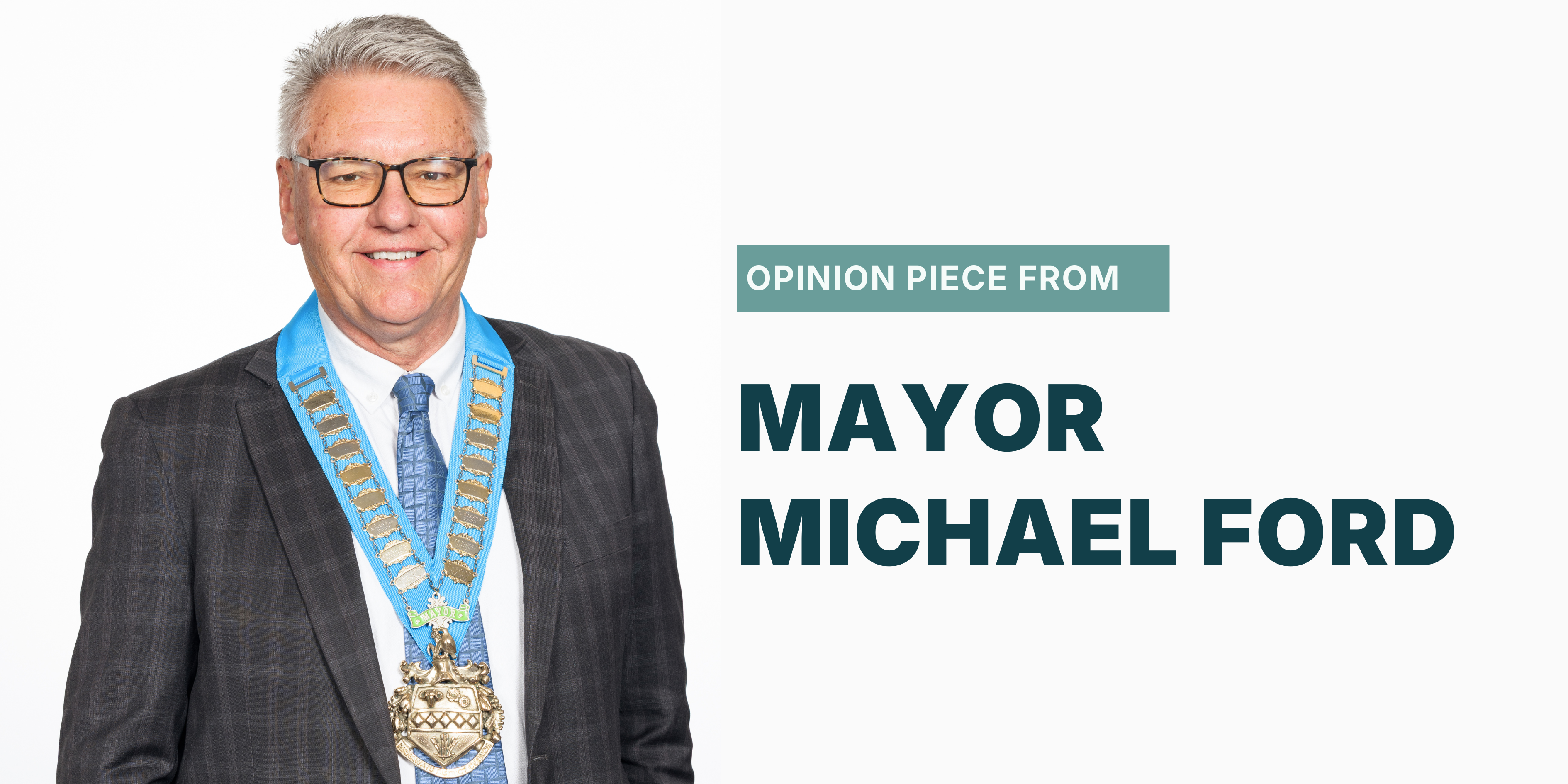
Thank you to everyone who took part in our recent community engagement on local government reform.
More than 720 people shared their views, providing Council with a strong mandate on how our community would like us to respond to the Government's proposed reforms.
The feedback showed a clear trend. Eighty-seven percent of respondents supported opposing compulsory amalgamation and exploring an alternative model. Council will consider this feedback alongside other information before making its formal decision later this month.
Regardless of the approach ultimately adopted, my priority remains finding a solution that protects local representation, local decision-making and local accountability while responding constructively to the Government's objectives. This work is already well underway.
There are several models worth exploring. They range from a small but effective Manawatū unitary council working with neighbouring councils on regional functions, through to a federation-style model where local councils remain in place while regional responsibilities are shared through a higher governing body.
If compulsory amalgamation ultimately became unavoidable, community feedback showed a clear preference for Rangitīkei District Council.
I'm continuing discussions with Ministers, through the Horizons Mayoral Forum, Local Government New Zealand and with mayors around the country who are also looking at alternatives to compulsory amalgamation.
I've also had very encouraging early conversations with neighbouring mayors about whether a federation-style model could work for our region or part of our region. These discussions are constructive.
Importantly, we're not simply saying "no". We're working to develop a proposal that responds to what the Government is trying to achieve while ensuring local communities continue to have a strong voice in the decisions that affect them.
Recent comments from the Minister of Local Government suggest there is greater openness to councils proposing alternative models, provided they demonstrate how they will achieve the Government's objectives. While there are no guarantees, I believe this creates an opportunity for councils to put forward practical solutions that retain local accountability, decision making and representation.
To support this work, independent modelling and financial information are being prepared to help compare the different options before Council makes any long-term decisions.
There is still plenty of work ahead, but thanks to the feedback we've received, we now have a clear direction. Our focus remains finding the best outcome for Manawatū District while ensuring our community continues to have a strong local voice.