
Awahuri Forest - Kitchener Park
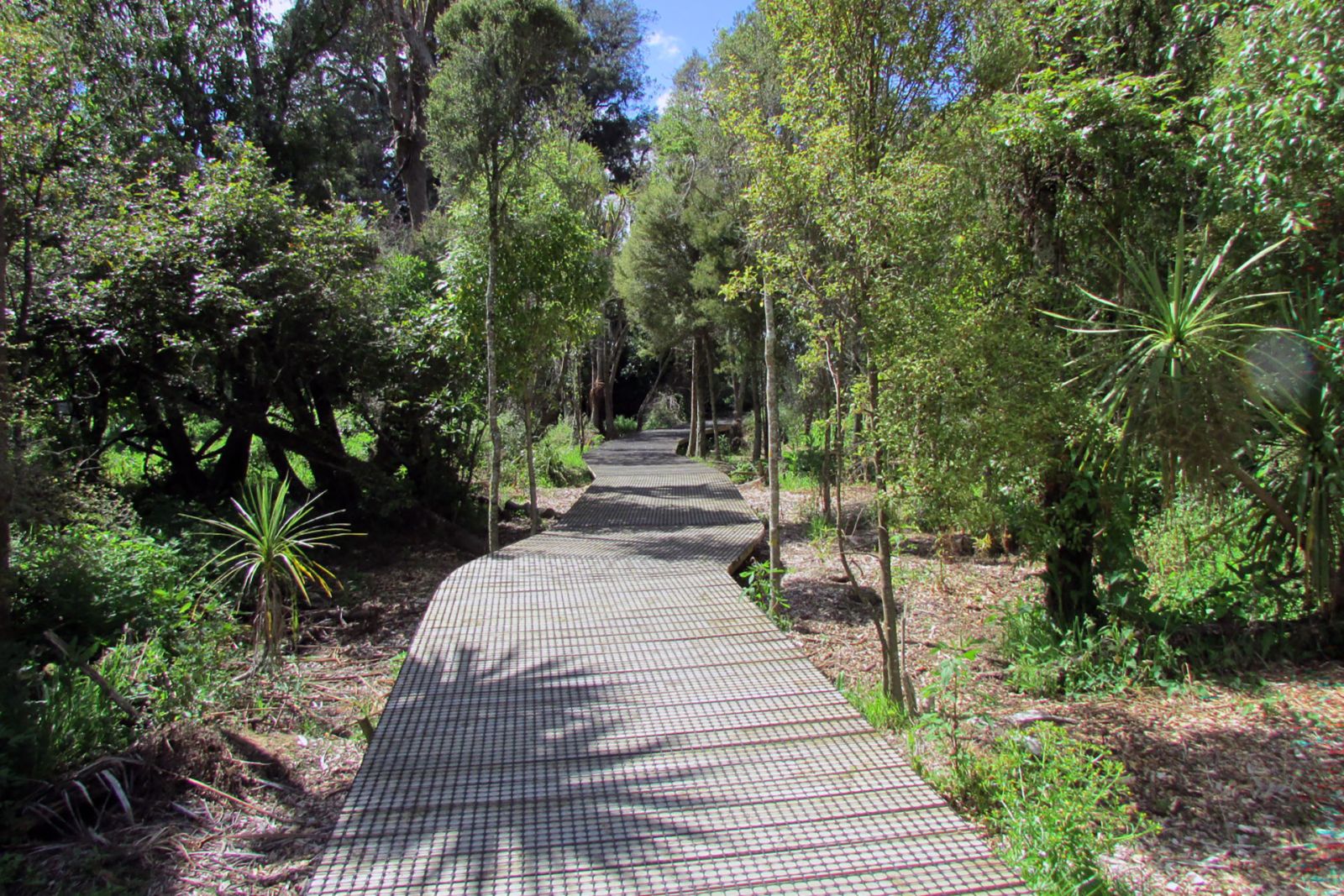
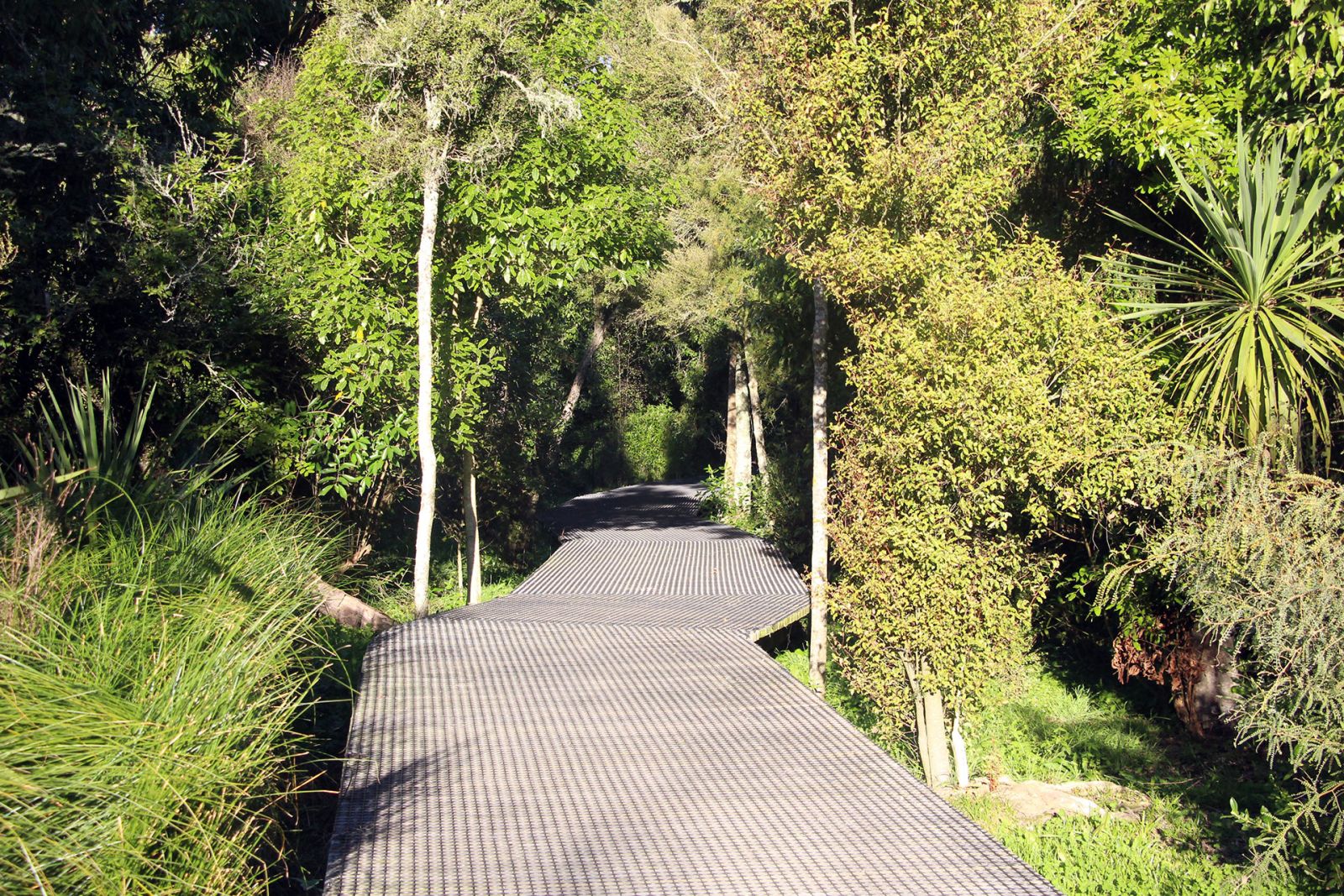
Nestled just south west of Feilding, Awahuri Forest - Kitchener Park is one of the Manawatū District's most significant native forest reserves. Explore accessible boardwalks beneath towering kahikatea and tōtara, discover one of the region's last remaining lowland podocarp forests, and experience a unique natural environment that has been protected for generations.
Visit the Park
Awahuri Forest - Kitchener Park is located on Kawakawa Road, approximately 200 metres from Awahuri Road, west of Feilding - Google Map. The park can also be accessed via the walking track alongside the Makino Stream from Rata Street.
Facilities
- Free entry
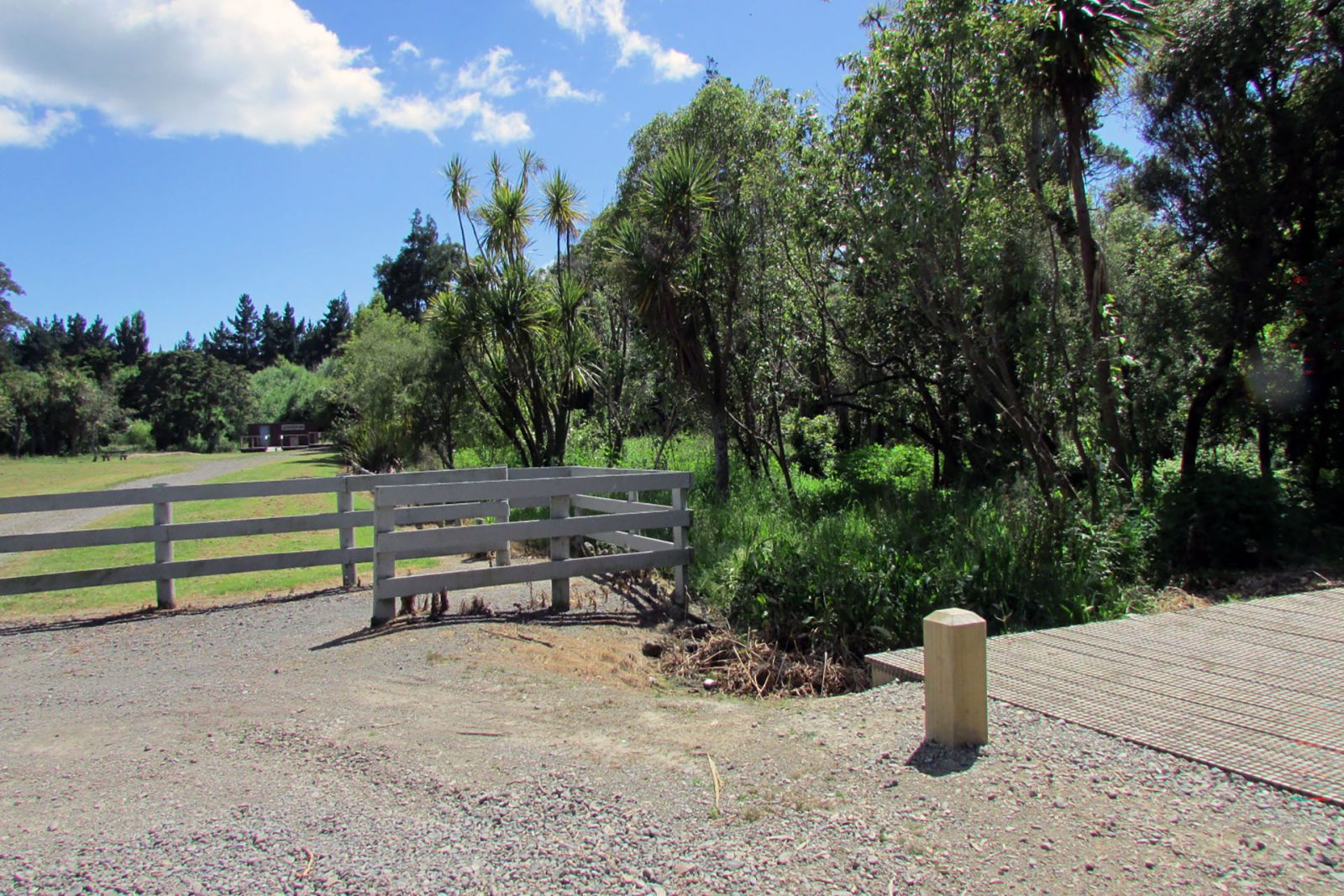
- Sealed car parking
- Accessible raised boardwalks suitable for wheelchairs and prams
- Walking tracks
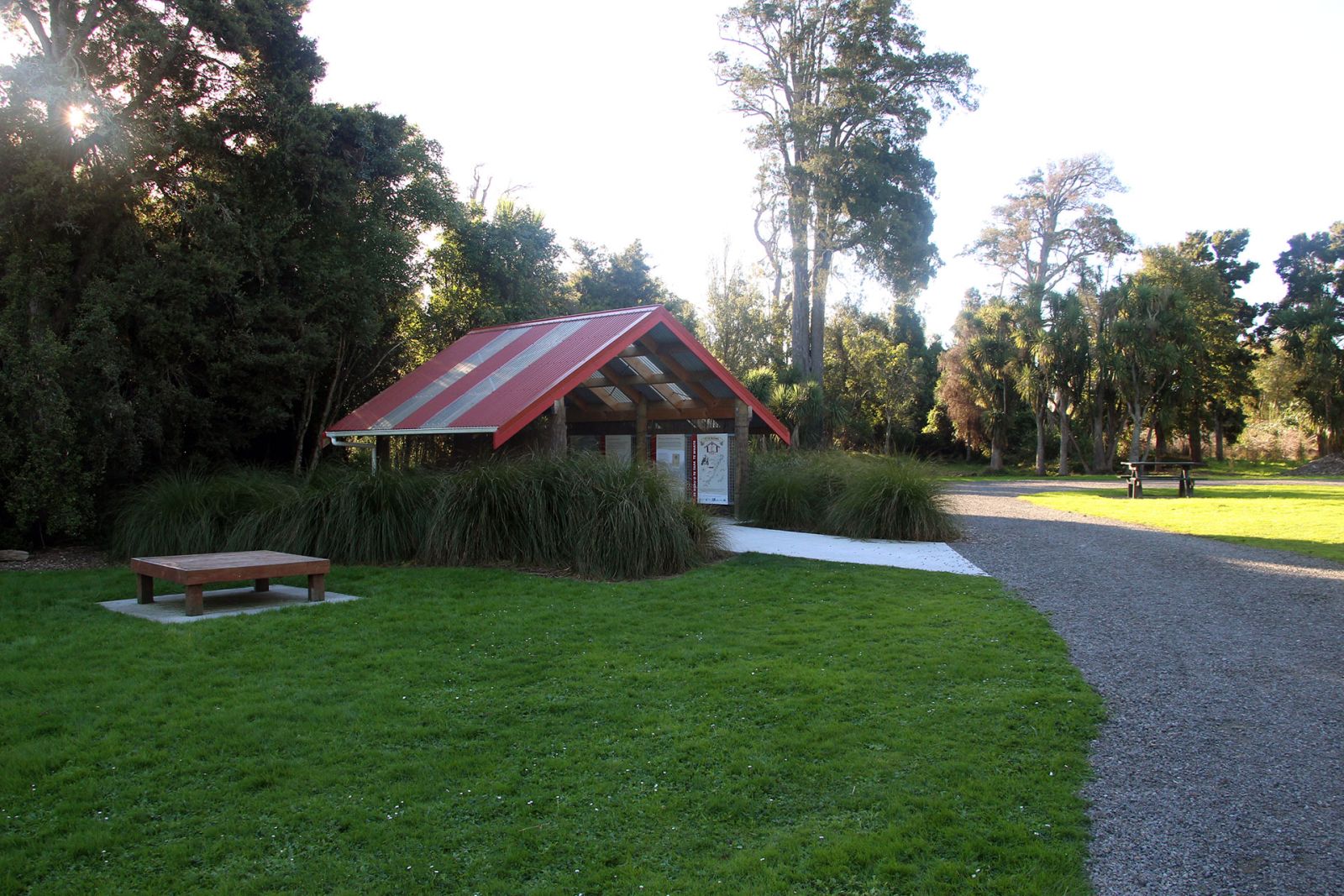
- Dry vault toilets
- Picnic area
The park is open during daylight hours. Temporary closures may occur during flooding, high winds or maintenance to ensure visitor safety and protect the reserve.
Protecting a Special Place
Awahuri Forest - Kitchener Park is one of the last remaining examples of lowland semi-swamp podocarp forest in the Manawatū. Home to kahikatea, tōtara, rimu, pukatea and kōwhai, it provides an important habitat for native plants, fungi, insects and birdlife.
As a fragile ecosystem, visitors can help protect the forest by:
- Staying on the boardwalks and marked tracks.
- Leaving plants, fungi and wildlife undisturbed.
- Taking all rubbish home.
- Respecting any temporary closures.
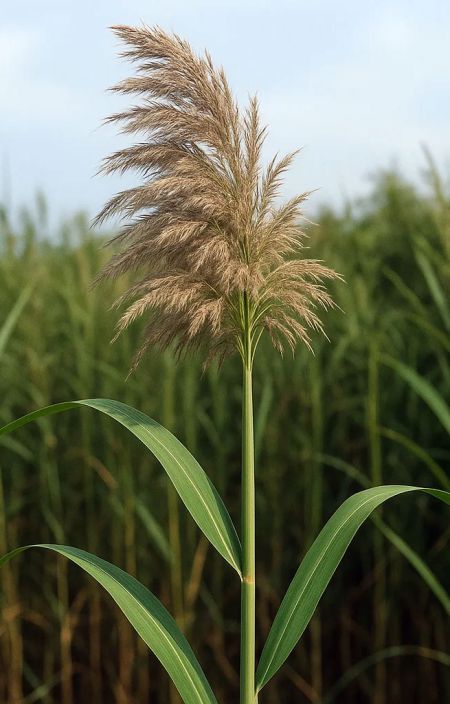
Phragmites karka, also known as tall reed, is an invasive weed that poses a significant threat to Awahuri Forest - Kitchener Park and other waterways across the Manawatū region. It is often mistaken for bamboo, which has contributed to its spread as people are unaware of the damage it can cause.
The plant spreads rapidly through underground rhizomes and fragments of stems that can be carried by floodwaters to new locations. Once established, it forms dense stands that smother native vegetation, block sunlight and compete with native plants for water and nutrients. This makes it difficult for the forest to regenerate naturally and can alter the health of wetland ecosystems.
Awahuri Forest - Kitchener Park has been at the forefront of developing methods to control this invasive species. Management trials have shown promising results using targeted "cut and inject" techniques, while research and monitoring continue to improve long-term control. This work is helping protect one of the Manawatū's last remaining lowland podocarp forests.
How you can help
Visitors can play an important role in preventing the spread of Phragmites karka by:
- Staying on designated boardwalks and walking tracks.
- Not cutting, moving or taking any part of the plant from the park.
- Cleaning footwear and equipment if you've been walking through wetland areas.
- Reporting large infestations to Manawatū District Council.
Together, these simple actions help protect this nationally significant reserve for future generations.
Originally known as the Awahuri Bush Scenic Reserve, the forest was purchased by Feilding Borough Council in 1916 with support from the local community and Government funding. The reserve was later named Kitchener Park after Lord Kitchener.
Over the years, the forest has faced flooding, changing waterways and invasive weeds. Through ongoing restoration and careful management, it has been preserved as one of the district's most valued natural spaces.
The Awahuri Forest - Kitchener Park Trust, established in 1993, played a vital role in protecting and restoring the reserve for more than 30 years.
Working alongside Manawatū District Council, Trust members and volunteers dedicated thousands of hours to native planting, weed and pest control, fundraising, track and boardwalk improvements, and community education. Their passion and commitment helped restore the forest and ensure it remained accessible for visitors to enjoy.
Following the Trust's disestablishment, the ongoing care and management of Awahuri Forest - Kitchener Park continues with Manawatū District Council. The Trust leaves an enduring legacy of environmental stewardship and community collaboration that continues to benefit the reserve today.