Te Wiki o Te Reo Māori 2026
This Te Wiki o te Reo Māori (14-20 September), we’re highlighting the cultural narratives behind some village names within the Manawatū District including Aorangi, Hīmatangi Beach, Tangimoana and the Manawatū. Names are just one way te reo Māori connects us with the places we reside in.
Ever wondered where a village got its name? Across the Manawatū District, there are plenty of stories to uncover. Click the boxes below to read their stories:
Every day this week, a post will go live on MDC's Facebook (www.facebook.com/manawatudc) - follow along to view the posts in real time! The posts have been uploaded to this webpage for reference.
Get involved in Te Wiki o Te Reo Māori! Check out the resources on their website: Te Rangaihi Reo Māori | Māori Language Movement
Manawatū Community Hub Libraries is also hosting a week of activities and experiences to celebrate Te Wiki o Te Reo Māori: Te Wiki o Te Reo Māori | Manawatū Community Hub Libraries
Makino Aquatic Centre are integrating te reo throughout their swimming lessons and activities this week. Pop by for a splash and join in the kōrero!
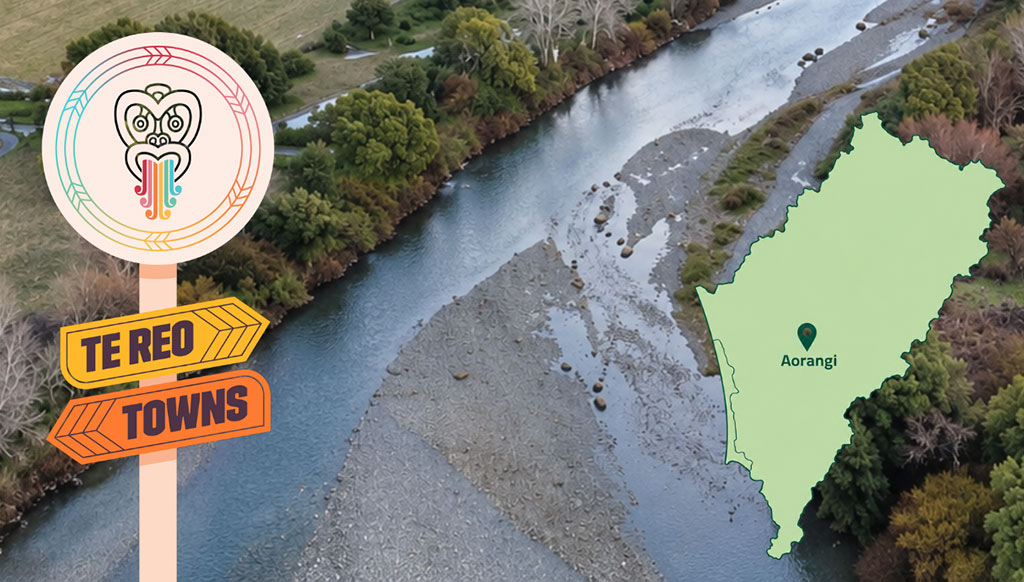
Aorangi
Did you know Feilding is in an area known as Aorangi?
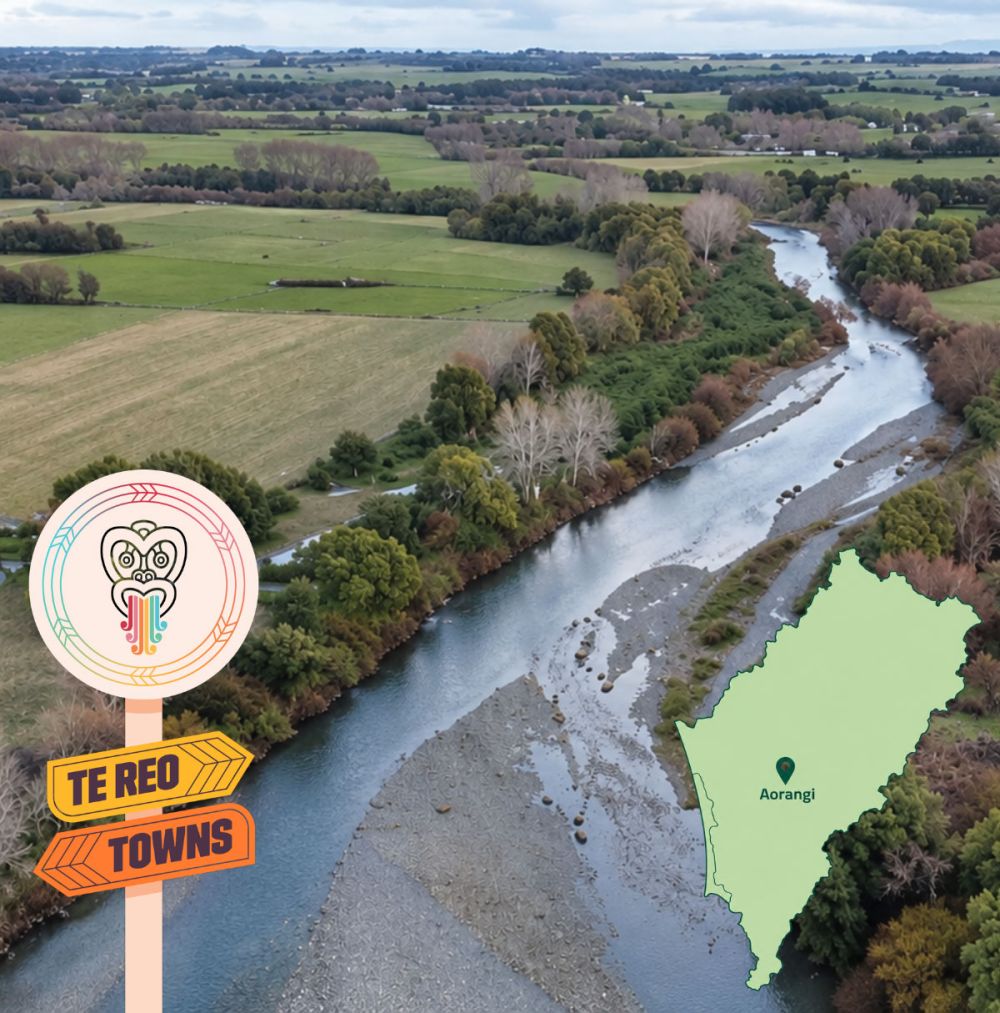
Many of the te reo Māori names around Aorangi and Feilding can be traced back to the way Māori explored and settled within the area.
The name Aorangi is linked to an explorer called Mātangi, who followed a large flock of tūī across the Tararua range. He named the area Aorangi because when he looked up, the birds were like a large cloud (Ao) in the sky (rangi).
Aorangi is the name given to the land on either side of the Ōroua River, where Feilding now sits. The name remains significant for Ngāti Kauwhata and the endeavours of Matangi were acknowledged when they named Aorangi Marae (10 Waughs Road, Aorangi).
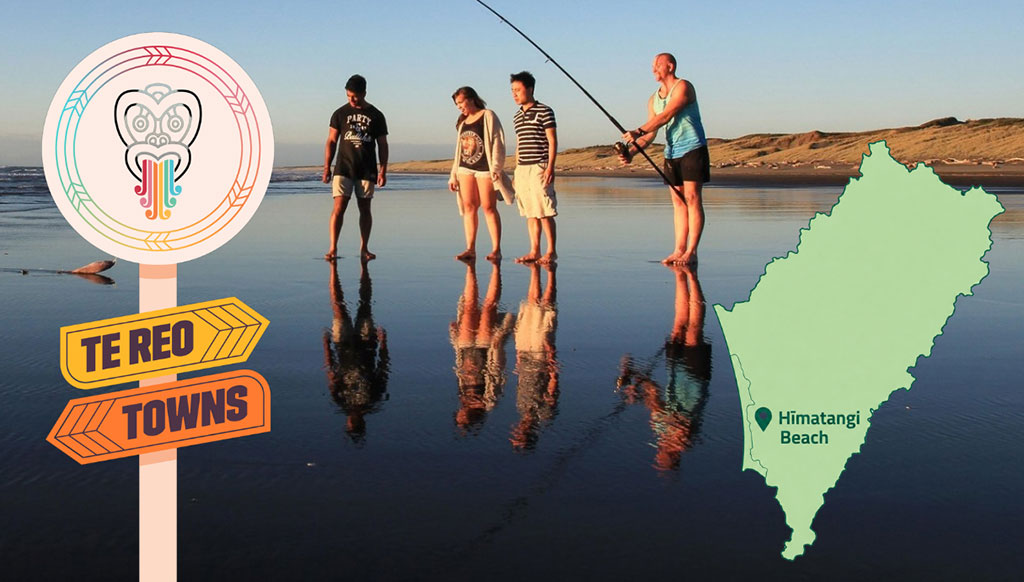
Hīmatangi Beach
We all know (and love) Hīmatangi Beach, but do you know the kōrero behind the village’s name?
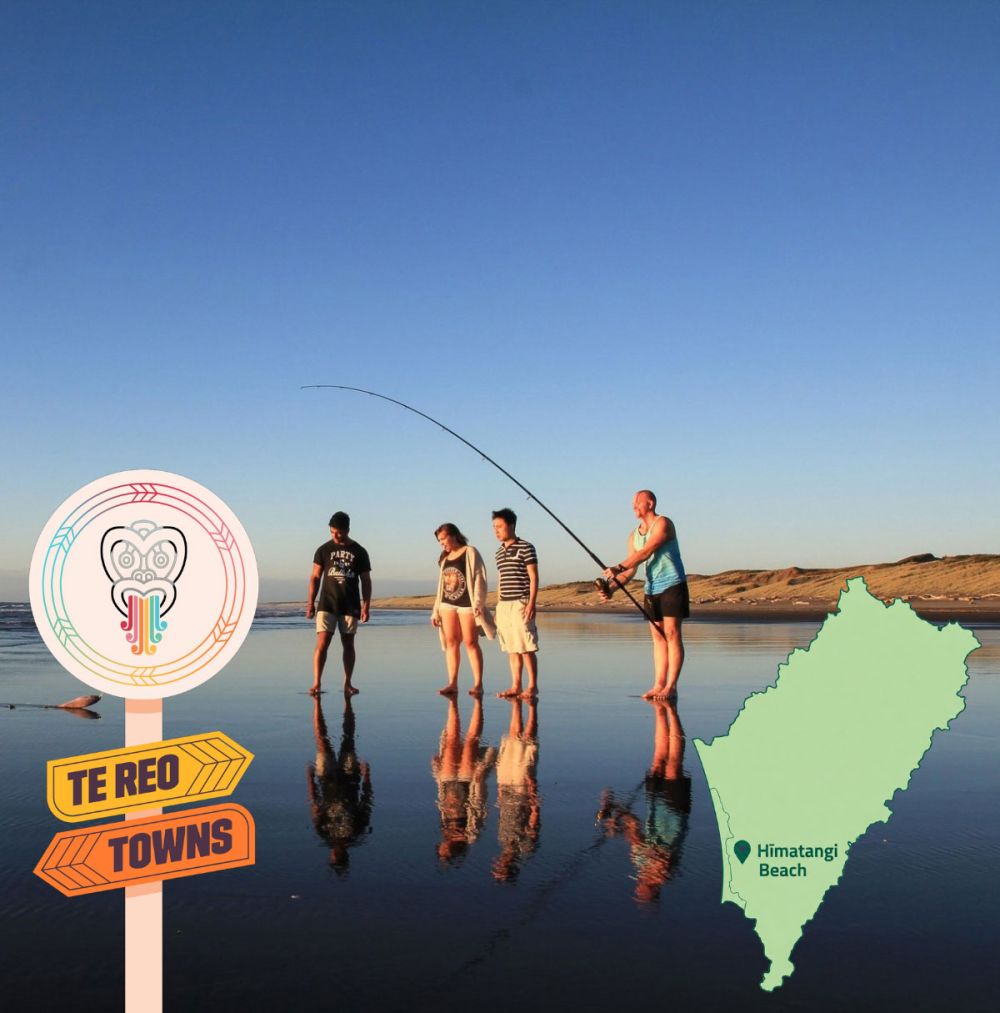
Hī means to fish, while Matangi was an early explorer whose journeys helped shape the names of places across the Manawatū.
According to local history, Matangi lured out a local taniwha and then slayed it, giving rise to the name ‘Hīmatangi.’
Fishing is also closely connected to the wider area, with the coastline providing kaimoana (seafood) including tuna (eels) in the waterways, and pipi, (shellfish) with tāmure (snapper), kahawai and other fish caught in the moana (ocean).
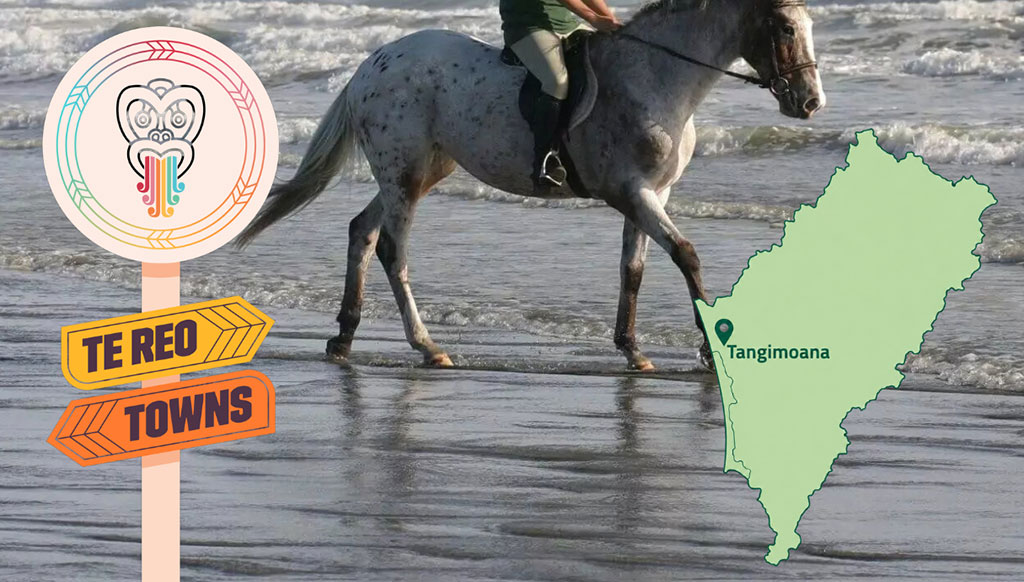
Tangimoana
Before Tangimoana, the area was known as Tawhirihoe.
Before the current village was developed, the surrounding coastal area was known by another name, Tawhirihoe. In fact, one of the eight copies of Te Tiriti o Waitangi written in te reo Māori, was signed at Tawhirihoe on May 21, 1840.
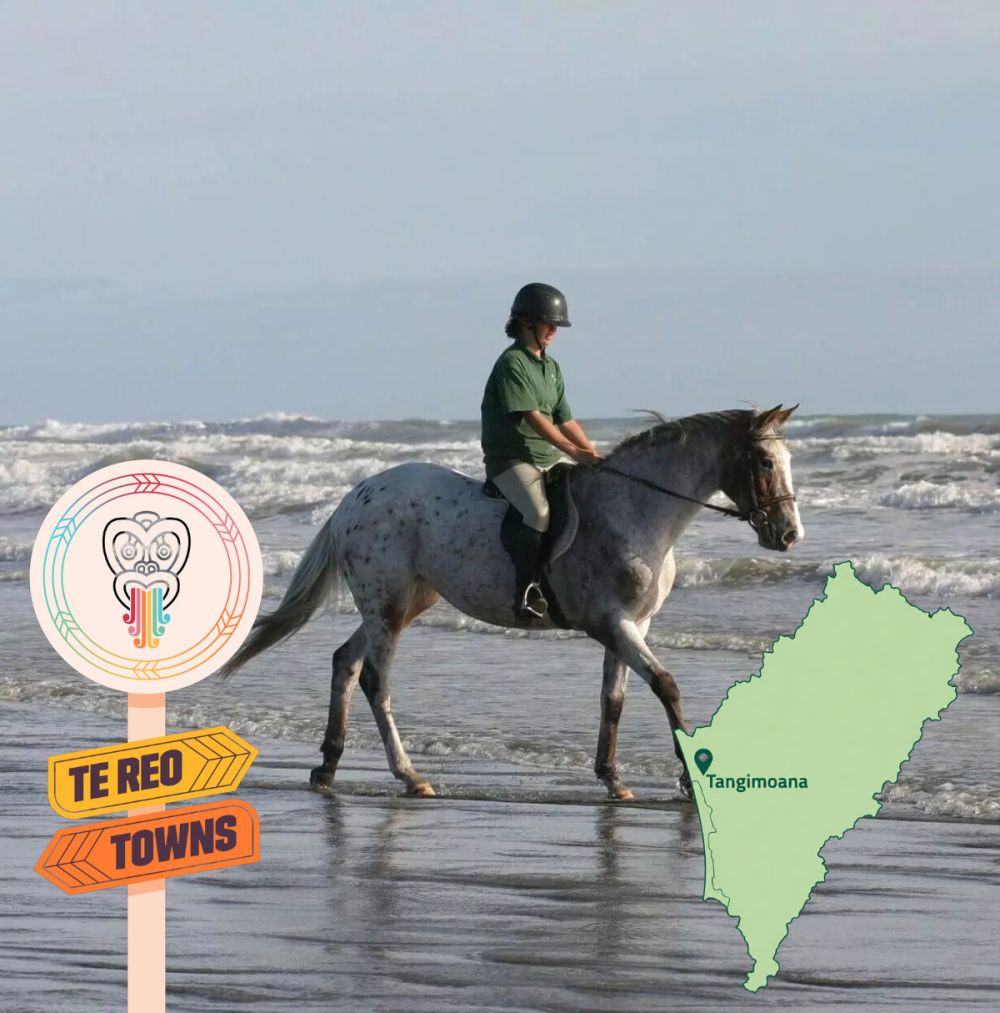
Tawhirihoe was a place to rest for people moving along the coastline, or used as a settlement for people gathering kai and cultivating resources, while the nearby Rangitīkei River mouth was used for fishing and as a place for launching and landing waka.
The connection to fishing remains strong to this day, with the coastal area continuing to provide kaimoana for the community.
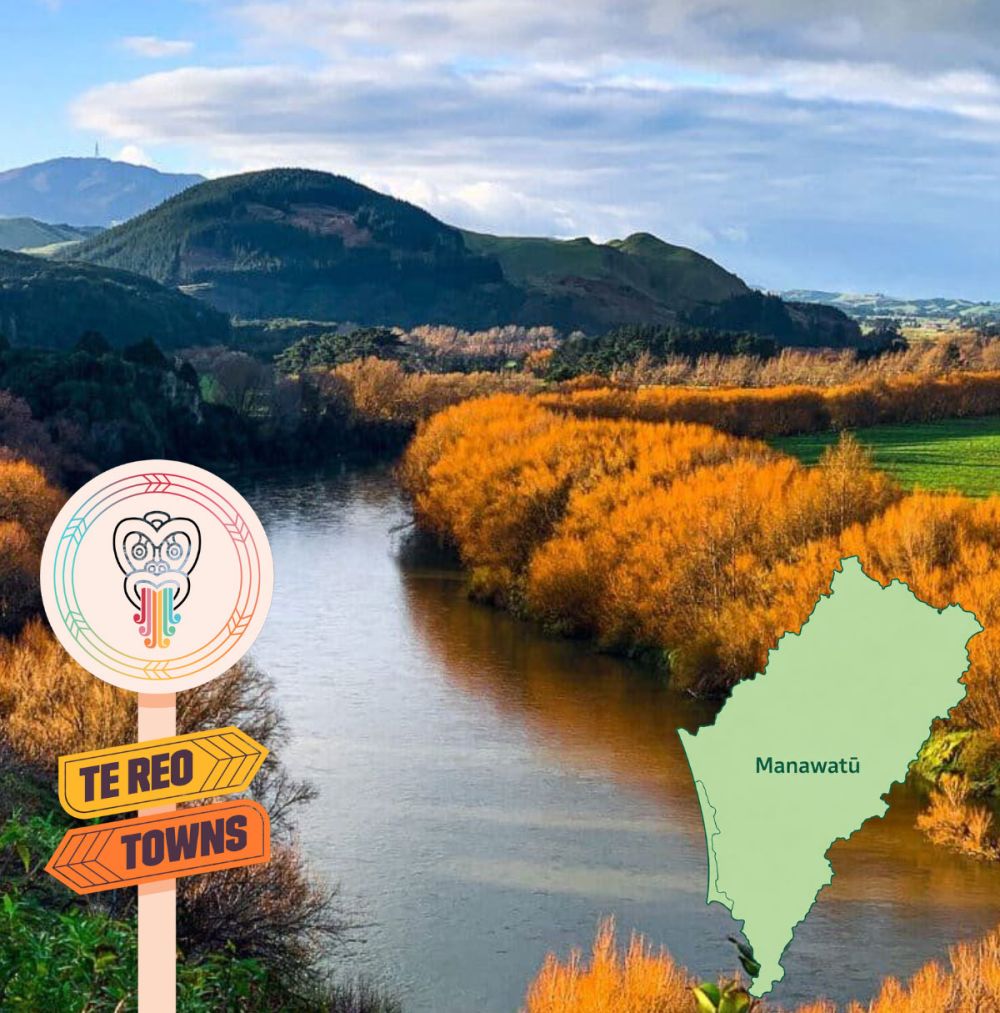
Manawatū
But what about the Manawatū, itself?
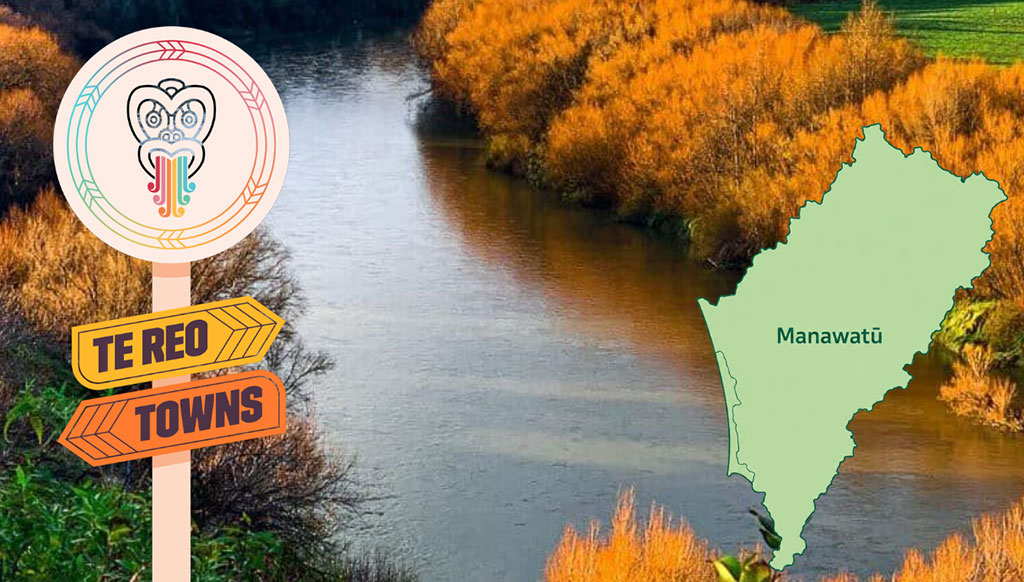
The name Manawatū is translated as “heart standing still”. There are different kōrero about how Manawatū came to be translated this way, but they all include an explorer called Haunui-a-Nanaia. He was chasing after his wife and another, who were moving along the coastline. When Haunui reached the Manawatū River, some say that he was so struck by its beauty that his heart stood still.
Whether it’s a simple greeting, or giving something new a go, there are plenty ways to keep weaving te reo Māori into our everyday lives. Find resources and keep learning: www.reomaori.co.nz