
Food Scraps Kerbside Collection
Feilding households have a weekly food scraps kerbside collection to help keep food waste out of landfill and turn it into renewable energy. Each property has a small kitchen caddy for collecting food scraps indoors and a larger green bin for putting out at the kerb.
Your food scraps collection day may be different from your rubbish or recycling collection day. Use our find your collection day search to check when your green food scraps bin is collected.
Put your green food scraps bin out before 7:30am on your collection day.
What you need to know
- Food scraps are collected weekly.
- The service is available to eligible Feilding properties.
- Use your kitchen caddy to collect food scraps indoors.
- Empty your kitchen caddy into your green kerbside food scraps bin.
- Do not use plastic, compostable or biodegradable bin liners.
- Put your green bin out before 7:30am on collection day.
- Food scraps collected through the service are currently taken to Ecogas in Reporoa, where they are processed using anaerobic digestion to produce renewable energy.
You can put the following food scraps in your kitchen caddy and green kerbside bin:
- fruit and vegetable scraps, including peelings, cores, stalks and skins
- bread, pasta and rice
- dairy products
- meat scraps and bones, including fat trimmings
- fish scraps and bones, including shellfish shells
- eggshells
- nut shells and coconut husks
- coffee grounds
- tea leaves
- fats and oils, preferably solidified first.
Your food scraps bin can take some foods that are not normally recommended for a home compost system, including meat, bones, dairy, citrus and onions.
Your green lid bin is for food scraps only.
Do not put in:
- plastic bags or plastic packaging
- compostable or biodegradable bags
- compostable coffee cups
- compostable plates or cutlery
- other compostable packaging
- food wrappers
- garden waste
- lawn clippings
- rubbish or other non-food items.
It is particularly important to keep plastics and packaging out of the food scraps collection because the material is processed through anaerobic digestion rather than a standard composting system.
How to use your food scraps bins
In your kitchen
Use the small kitchen caddy to collect food scraps as you prepare meals and clean up afterwards.
You can:
- put food scraps directly into the caddy
- line the bottom with a small amount of paper if you wish.
Do not use plastic, compostable or biodegradable bin liners.
When the caddy is full, empty the contents into your larger green kerbside bin.
On collection day
Put your green food scraps bin out at the kerb before 7.30am on your collection day.
Make sure the lid is closed and the bin is positioned where it can be safely collected.
The handle on the green bin includes a locking mechanism. When the handle is upright, it helps keep the lid closed and prevents animals from getting into the bin.
No. Please do not use plastic, compostable or biodegradable bin liners.
If you want to line your kitchen caddy, you can use a small amount of paper instead.
You can keep particularly smelly food scraps in your freezer until collection day.
After cleaning your kitchen caddy or green bin, a small amount of baking soda sprinkled in the bottom can also help reduce odours.
Both the kitchen caddy and green kerbside bin can be cleaned with soap and water.
You can hose or water blast the kerbside bin. Depending on the size and type of your kitchen caddy, it may also fit in your dishwasher.
The kerbside bin has a handle-locking mechanism.
When the handle is in the upright position, the lid locks in place, which helps prevent animals from opening the bin.
No. Compostable bags, coffee cups, plates, cutlery and other compostable packaging cannot go in the food scraps bin.
The food scraps are processed using anaerobic digestion, and this type of packaging is not accepted in that process.
No. The kerbside collection is for food scraps only.
You can compost lawn clippings and garden waste at home or take green waste to the Manawatū Resource Recovery Centre in Feilding.
You can keep composting at home if it works well for you.
The kerbside food scraps service can complement your home compost because it accepts items that many home compost systems do not, including:
- meat
- bones
- dairy
- citrus
- onions.
There is currently no additional charge to Feilding residents for the standard food scraps collection service.
The rollout and service have been funded through Waste Levy funding, along with grant funding from the Ministry for the Environment for the bins and initial rollout.
Yes. Contact Manawatū District Council on 06 323 0000 if you would like to purchase an additional bin.
Larger bins are not available for standard residential collections.
Larger bins may be available for commercial food businesses. Contact Council to discuss your requirements.
Council recommends keeping the bin in case you decide to use the service in future.
If you are sure you want to return it, contact Manawatū District Council on 06 323 0000.
Yes, in some instances it may be.
Food scraps are collected weekly, but your food scraps collection day may not be the same day as your Council blue rubbish bag collection.
Check the label on your bin or use find your collection day to confirm your collection day.
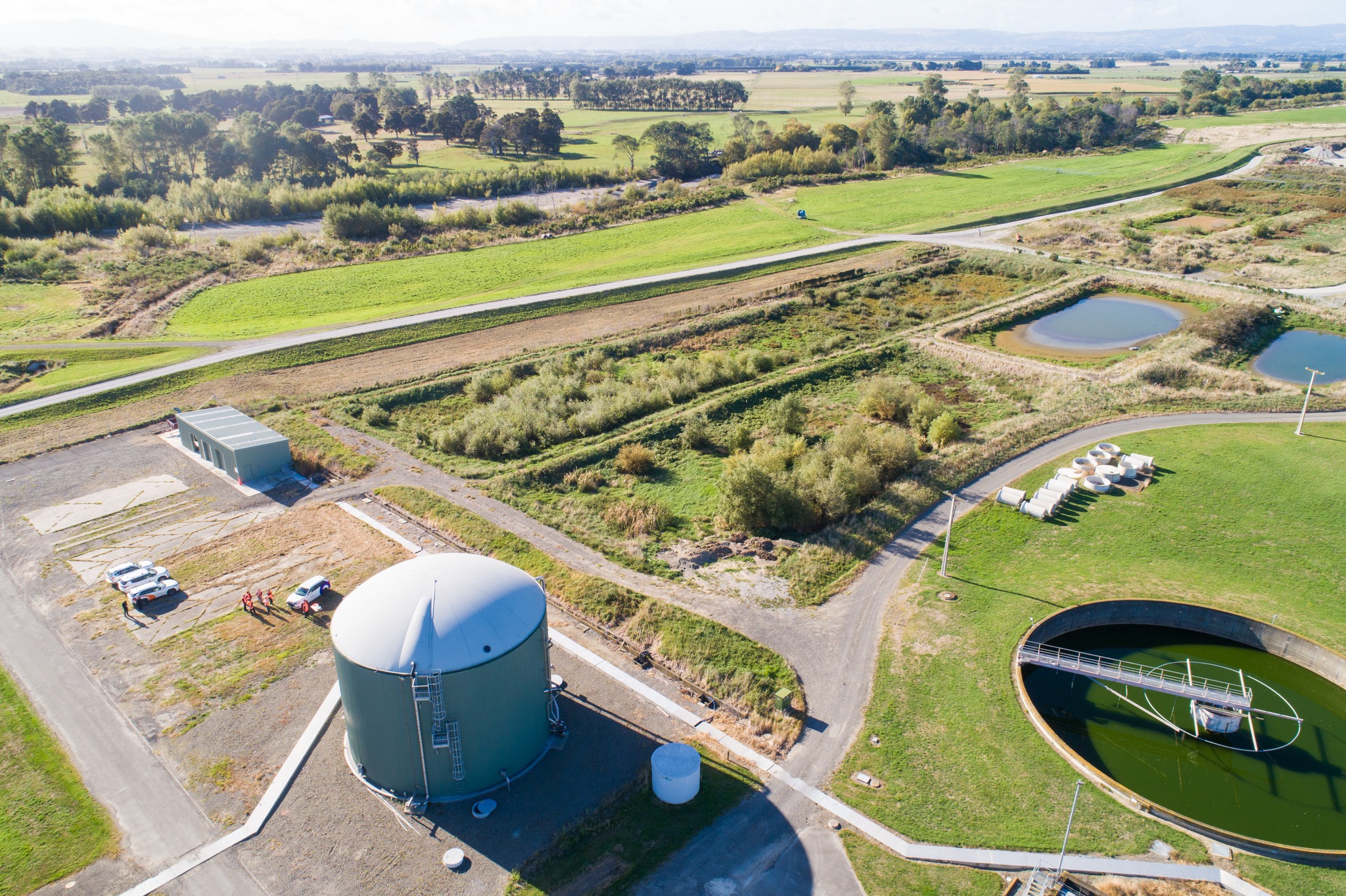
Food scraps are not simply being diverted from landfill. They are being turned into a useful source of renewable energy.
Need help?
If you are unsure about your collection day, what can go in your food scraps bin, or need help with your bin, contact Manawatū District Council.
Phone: 06 323 0000
Email: public@mdc.govt.nz